There is a particular kind of financial vulnerability that millions of people carry without knowing it — one that sits quietly inside a policy document, invisible until the moment it matters most. Most of us were taught that having insurance means being protected, but there is a significant difference between having a policy and having enough of one. This article takes a clear-eyed look at how underinsurance happens, where it hides, and what it truly costs the people who experience it.
Understanding What It Means to Be Underinsured
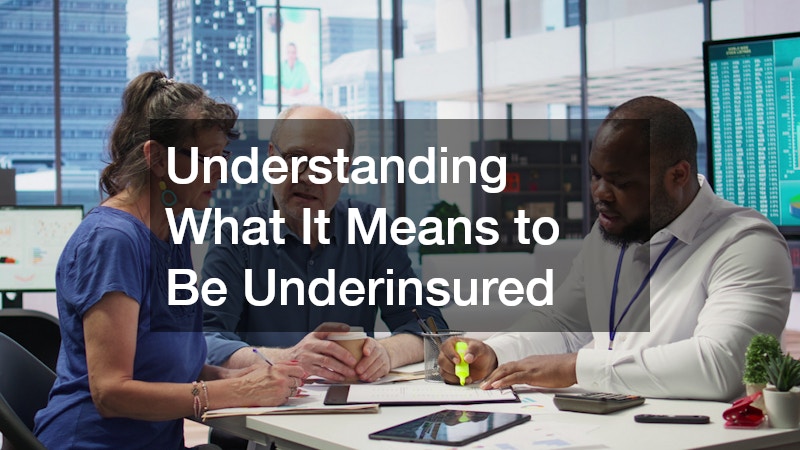
Most people assume that having an insurance policy means they are protected. The reality is more complicated. Being underinsured means that while a policy exists, its limits, exclusions, or outdated valuations leave a significant portion of potential losses uncovered. This distinction — between having some insurance and having enough insurance — is one that most policyholders never think about until it is too late.
Coverage limits are set at the time a policy is written, and they do not automatically adjust as your life, property, or financial obligations change. A homeowner who purchased a policy ten years ago may be carrying limits that made sense then but are woefully inadequate today. Inflation, home improvements, accumulated possessions, and rising labor costs all widen the gap between what a policy will pay and what it actually costs to recover from a loss.
Perhaps the most dangerous aspect of underinsurance is that it is invisible until a claim is filed. Policyholders often read their declarations page, see that they are covered, and feel confident. What they rarely do is dig into the fine print to understand what is excluded, what is capped, and how those limits would hold up against a real-world disaster.
How Underinsurance Happens to Ordinary People
Underinsurance is rarely a deliberate choice. More often, it is the result of small decisions made over time — choosing a lower premium without fully understanding the tradeoff, skipping a policy review after a major life event, or simply trusting that an old policy is still doing its job.
Cost is the most common driver. When budgets are tight, people naturally look for ways to reduce expenses, and trimming insurance premiums can seem like a low-risk move. But selecting minimum coverage to save a few dollars each month can result in tens of thousands of dollars in out-of-pocket expenses when a serious loss occurs.
Life changes are another quiet culprit. Marriage, divorce, the birth of a child, a home renovation, a new business venture, or the purchase of expensive equipment — all of these events can shift your exposure significantly. Without a corresponding update to your coverage, your policy gradually drifts out of alignment with your actual life.
The Financial Shock of an Unexpected Loss
When a major loss occurs and insurance falls short, the financial consequences can be swift and severe. The gap between what your insurer pays and what recovery actually costs must be covered out of pocket, and for most households, that gap can be financially devastating.
Consider a family that experiences a serious house fire. The insurance policy pays its limit, but that amount does not come close to covering the full cost of rebuilding. The family is left scrambling to cover the remainder while simultaneously dealing with the emotional toll of displacement. Situations like this are far more common than most people realize.
The greater danger is what a large uninsured loss can do to long-term financial health. Retirement savings get depleted. Emergency funds disappear. Debt accumulates. What began as an insurance shortfall can spiral into a financial setback that takes years — sometimes decades — to overcome. The cost of being underinsured is never just the dollar amount of the uncovered loss; it is everything that loss sets in motion.
When Property Damage Exposes the Gap
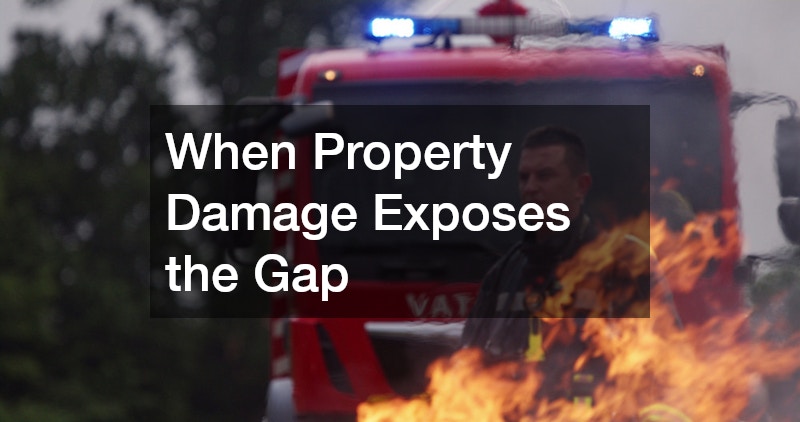
Property damage is one of the most common and costly ways underinsurance reveals itself. Whether caused by weather, fire, flooding, or structural failure, the true cost of repairing or rebuilding a property routinely catches policyholders off guard.
Professional fire damage restoration, for example, involves far more than repainting walls and replacing furniture. It includes structural assessment, smoke and soot removal, air quality remediation, and, in many cases, the replacement of electrical and plumbing systems compromised by heat or water used in firefighting efforts. The full cost of restoring a home to its pre-loss condition frequently exceeds what homeowners expect — and what underfunded policies will pay.
Standard policies also tend to overlook certain categories of damage entirely. Coverage for fall protection systems installed on a commercial or residential property, for instance, may not be included in a basic policy, leaving owners responsible for repair or replacement costs out of pocket. These gaps are not accidents — they are the predictable result of policies written to cover the average, not the specific.
The Personal Liability You May Not Be Accounting For
Liability coverage is one of the most underappreciated components of any insurance policy — and one of the most consequential when it runs short. If someone is injured on your property, in your vehicle, or as a result of your actions, you can be held personally responsible for their medical expenses, lost income, and pain and suffering.
When liability claims escalate, attorneys become central to the process on both sides. Legal representation is expensive, and if a judgment is entered against you that exceeds your policy’s liability limit, you are personally responsible for the balance. That can mean wage garnishment, asset seizure, or long-term financial hardship that no one anticipates when they choose a low liability limit to save money on premiums.
The size of liability judgments has grown significantly in recent years, and exposure is not limited to homeowners or vehicle operators. Event organizers who fail to carry attendee insurance, for example, can find themselves personally liable for injuries, cancellations, or property damage that occur during a gathering — costs that standard general liability policies may not cover. Jury awards and settlements that once seemed extraordinary are now increasingly common, and carrying liability limits that reflected the landscape of ten or fifteen years ago can leave you dangerously exposed in today’s legal environment. An umbrella policy designed to sit above your existing coverage is one of the most cost-effective ways to close this gap.
Specialized Possessions That Demand Specialized Coverage
One of the most overlooked areas of underinsurance involves personal property — specifically items whose value far exceeds what a standard homeowners policy is designed to cover. Fine art, jewelry, rare instruments, antiques, sports memorabilia, and other collectibles often carry significant monetary value that general personal property limits simply cannot address.
For owners of high-value collections, working with a collectors’ insurance service is one of the most important steps they can take. These specialized providers understand the nuances of insuring rare and unique items, including the importance of scheduled coverage, agreed value policies, and proper appraisal documentation. A standard homeowners policy that caps personal property claims at a flat amount offers little comfort to someone whose collection is worth many times that limit.
Proper documentation is equally critical. Photographs, receipts, appraisals, and provenance records all play a role in determining what an insurer will pay in the event of a loss. Without them, even a well-designed policy can fall short because the burden of proof rests with the policyholder.
Recreational and Leisure Assets Often Left Vulnerable
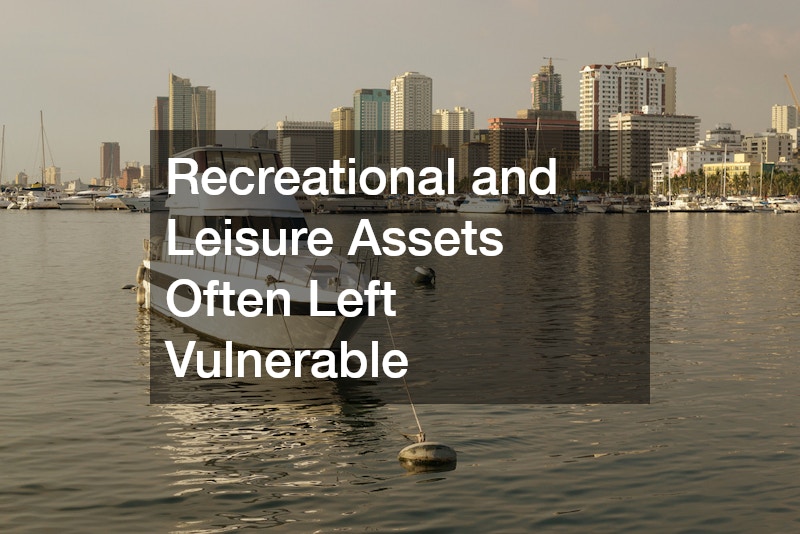
Recreational property represents a category where underinsurance is surprisingly common. Boats, motorcycles, ATVs, RVs, and other leisure vehicles are frequently purchased with enthusiasm and insured as an afterthought — with owners defaulting to minimum coverage or assuming their existing policies extend to new acquisitions.
Boat restoration following storm damage, an accident, or prolonged exposure to the elements can be an expensive and technically complex undertaking. Fiberglass repair, engine overhauls, electrical system replacement, and refinishing work add up quickly, and a policy that only covers the vessel’s depreciated market value may not come close to covering the cost of bringing it back to working condition. Agreed value coverage, which pays a predetermined amount rather than actual cash value, is a much stronger option for owners who want real protection.
The same principle applies across other recreational assets. Owners who invest significantly in the maintenance, modification, or customization of their vehicles and equipment should ensure their policies reflect that investment. A policy written when the asset was new may bear little resemblance to its current value.
How Underinsurance Affects Your Health and Recovery
Health insurance is perhaps the most personal form of coverage — and the most consequential when it falls short. A policy that looks adequate on paper can leave patients with staggering out-of-pocket costs once deductibles, co-insurance, and out-of-network charges come into play.
When a person is seriously injured or ill, the last thing they should have to worry about is whether they can afford to see a doctor. Yet for millions of underinsured Americans, that calculation happens in real time. People delay seeking care, skip follow-up appointments, and abandon prescribed treatments because the financial burden of their share of the cost feels unmanageable. These decisions have real consequences for health outcomes — and can transform a treatable condition into a long-term or permanent one.
The ripple effects of a major medical event extend far beyond the hospital. Lost income during recovery, the cost of rehabilitation, and the long-term impact of a serious diagnosis can reshape a family’s financial picture entirely. Health coverage that is barely sufficient for routine care is rarely adequate for a genuine medical emergency.
How Underinsurance Affects Your Financial Institutions and Obligations
A significant uninsured loss does not just affect your savings — it affects every financial relationship you have. Lenders, for example, have a vested interest in the condition of assets used as collateral. When a home or vehicle that secures a loan is damaged, and the insurance payout falls short of the outstanding balance, the borrower is left responsible for a debt on an asset that no longer exists in its original form.
If you financed a vehicle through a credit union and that vehicle is totaled in an accident, your insurer’s payout is based on actual cash value, which may be significantly less than what you still owe. Without gap coverage, the difference comes out of your pocket. This is one of the most common and avoidable consequences of underinsurance, and yet it catches borrowers off guard constantly.
Similarly, a bank that holds a mortgage on a property damaged by fire or flood will require that the property be repaired or that the loan be paid off. If your insurance settlement is insufficient to do either, you may find yourself in default on a property you can no longer live in.
Steps to Take Before You Find Yourself Underinsured
The good news is that underinsurance is a largely preventable problem. It requires attention and action, but the steps involved are straightforward, and the payoff — genuine protection when you need it most — is well worth the effort.
Start with a comprehensive review of every policy you carry. Look at your coverage limits, exclusions, and deductibles with fresh eyes. If your home has been renovated, if your income has grown, or if you have acquired significant assets since your last review, your current coverage almost certainly needs updating. If your vehicle has undergone significant auto repair, modification, or customization, confirm that your policy reflects its current value rather than its original sticker price.
Working with a knowledgeable independent insurance agent is one of the most effective ways to identify gaps you might not find on your own. These professionals can compare policies across multiple carriers, explain the practical implications of different coverage structures, and help you build a protection plan that fits your actual life. The goal is not to be over-insured — it is to be correctly insured, with coverage that would genuinely allow you to recover if the worst happened. Reviewing your policies annually, updating them after major life events, and asking hard questions about what is and is not covered are the habits that separate people who are truly protected from those who only think they are.
Insurance is not a purchase you make once and forget. It is an ongoing commitment to protecting everything you have built. The cost of being underinsured is never just financial — it is the gap between where you are and where you could have been.